

Many sewists focus carefully on choosing the right fabric, only to tuck it away and assume it will stay perfect until needed. Months later, they discover fading, creases that won’t press out, or a faint musty smell. It’s a common frustration, and it usually comes down to storage rather than fabric quality.
At Franklins, we regularly advise customers on how to protect their fabric investment properly. The good news is that preventing damage is straightforward once you understand what causes it. In this guide, we’ll explain the best way to store fabric long term, how to control light and humidity, and practical methods to keep your materials clean, fresh, and ready to sew.
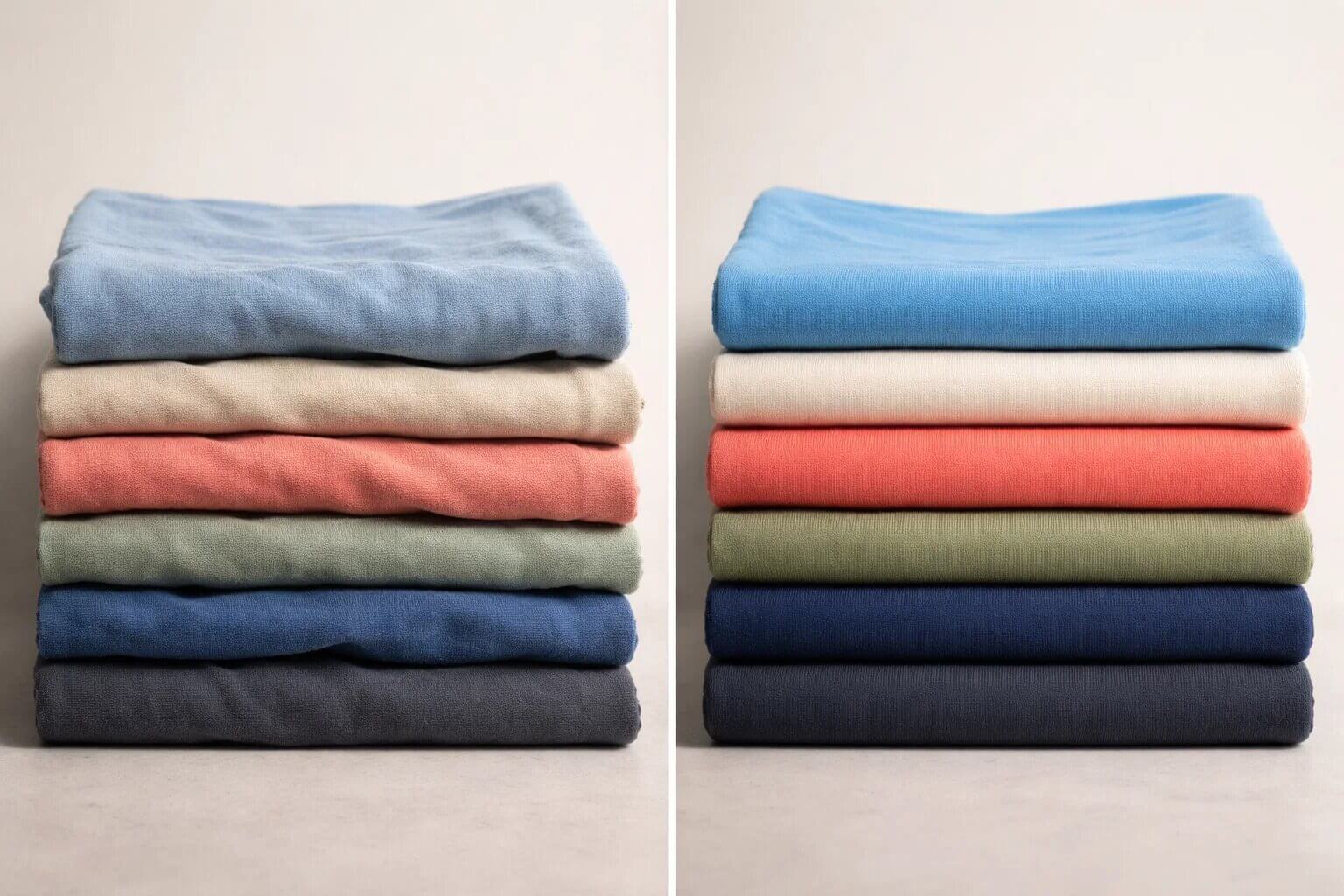
Storage conditions make a visible difference over time
Explaining Proper Fabric Storage
Fabric is not static. Even when folded neatly on a shelf, it reacts to its environment. Light, moisture, dust and temperature shifts all affect fibres over time. The damage is often gradual, which is why it catches people by surprise.
What Commonly Goes Wrong
Most fabric storage problems fall into a few predictable categories:
- Colour fading from prolonged light exposure
- Mildew caused by damp or fluctuating humidity
- Fibre weakening in very warm or very dry spaces
- Deep crease lines from tight or repeated folding
- Moth damage to wool and other natural fibres
Short-Term vs Long-Term Storage
If you plan to use a fabric within a few weeks, simple folding in a drawer is usually fine. Long-term storage is different. Seasonal fabrics, special occasion materials, or larger fabric collections need more considered care.
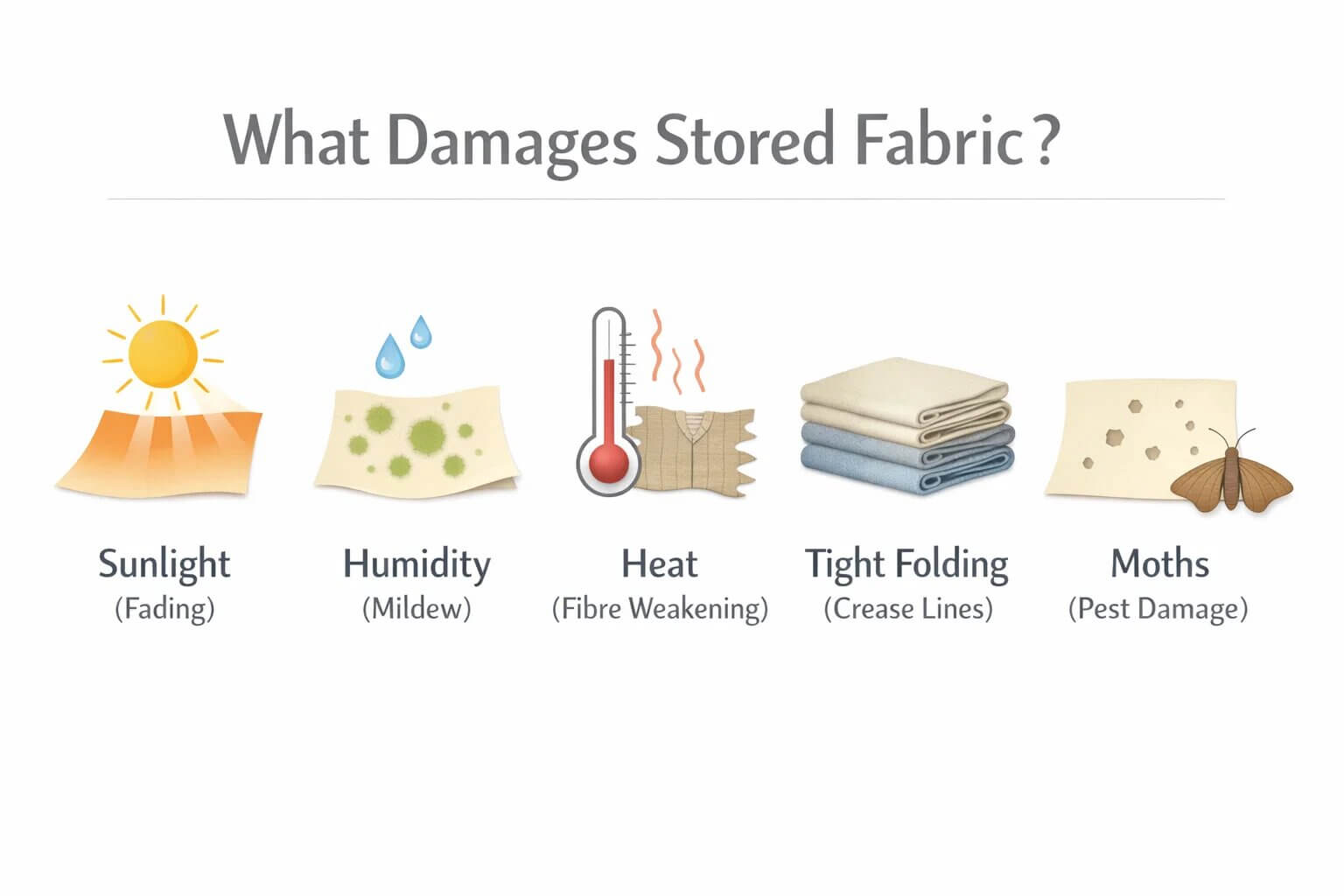
Light, moisture and heat are the most common causes of fabric damage
The Best Way to Store Fabric Long Term
Long-term storage is less about special products and more about creating the right conditions. Fabric lasts well when it is clean, dry and protected from environmental stress.
Start With Clean Fabric
Before storing fabric for months at a time, make sure it is clean and completely dry. This is especially important for natural fibres such as cotton, linen and wool.
Small marks that seem harmless can oxidise and darken over time. Moisture trapped in folded fabric can lead to mildew. A quick wash and thorough drying reduce both risks significantly.
Choose a Stable Environment
Fabric prefers consistency. Large temperature swings and damp air cause problems far more quickly than people expect.
Aim for:
- A cool, dry room inside the house
- Shelving or drawers away from direct sunlight
- Avoiding lofts, garages and basements where humidity fluctuates
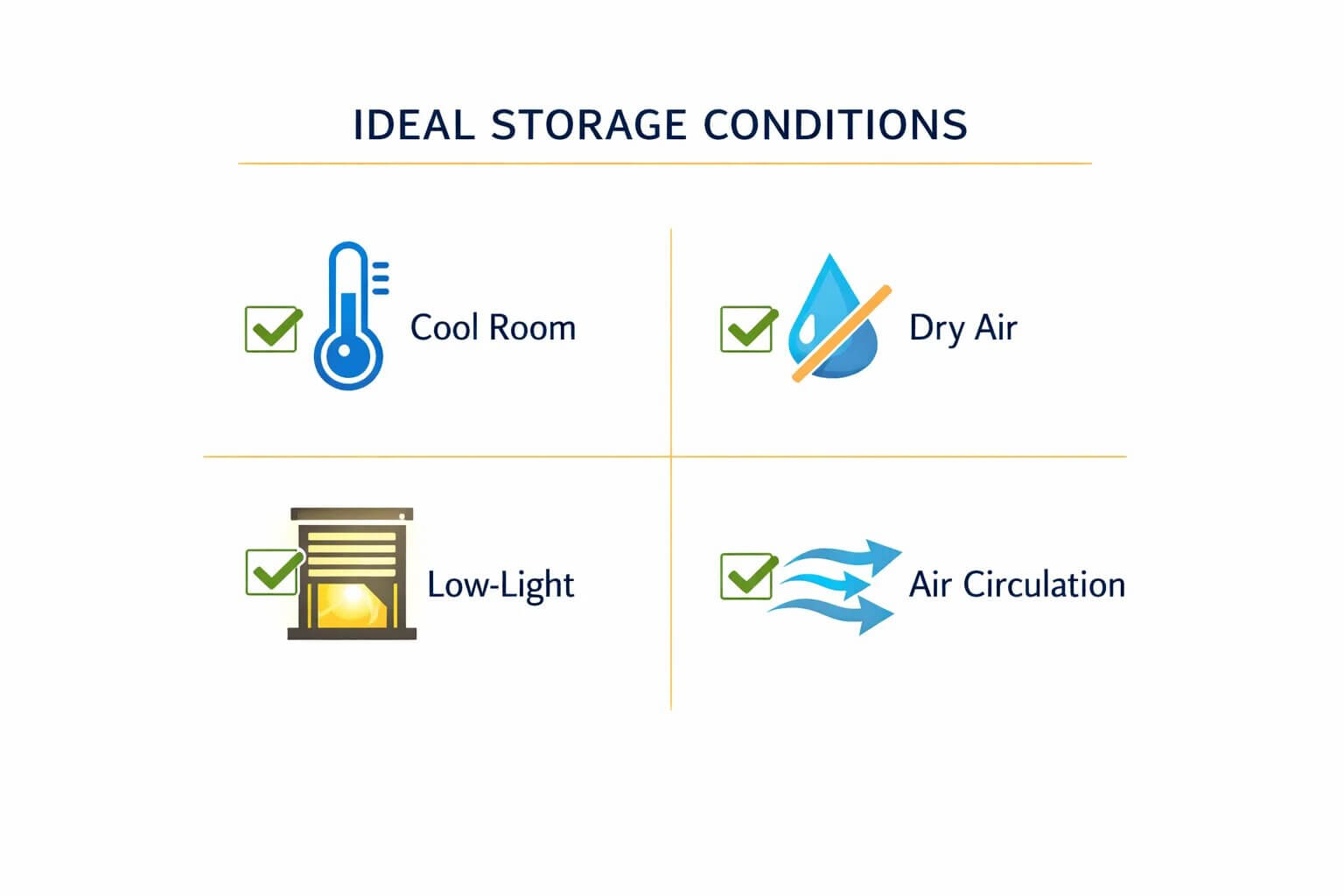
Fabric lasts longest in cool, dry, low-light spaces
Use Breathable Storage
It can be tempting to seal fabric in airtight plastic boxes. For long-term storage, breathable solutions are usually safer.
Fabric storage boxes, cotton bags or well-ventilated drawers allow air circulation while keeping dust away. If you do use plastic containers, ensure the fabric is completely dry and check periodically to prevent trapped moisture.
Folding vs Hanging – What’s Best?
There is no single correct way to store fabric. The best method depends on the type of fabric and the space you have available.
Folding Fabric Properly
Most fabrics are best folded and stored flat. This keeps them supported and prevents distortion.
To reduce long-term creasing with fabrics:
- Fold along natural grain lines where possible
- Avoid sharply compressing delicate fabrics
- Refold occasionally to change the crease position
Fabric organiser boards can help create neat, uniform stacks, especially if you store fabric on open shelving. They also make it easier to see what you have without constant handling.
For smaller spaces, tidy vertical stacks in breathable boxes work well. The key is not to overpack. Fabric should rest, not be compressed.
When Hanging Makes More Sense
Heavier or crease-prone fabrics sometimes benefit from hanging. Wool coating, suiting, or large uncut lengths of delicate fabric can distort if folded tightly for long periods.
If you choose to hang fabric:
- Use padded or wide hangers
- Drape rather than tightly clip
- Cover with breathable garment bags
Hanging works best when fabric can hang freely without touching the floor or being squeezed between other items.
Protecting Fabric From Light, Moisture and Pests
Environmental control does more to preserve fabric than sprays or treatments ever will.
Preventing Fading
Light is one of the most overlooked causes of damage. Even indirect daylight can slowly break down dyes.
Store fabric away from windows where possible. Closed cupboards, drawers, or opaque storage boxes offer far better protection than open shelving in bright rooms.
Managing Humidity
Moisture encourages mildew and weakens fibres over time. Sewing rooms should feel dry and comfortable.
In humid homes, small adjustments can help with storing fabrics:
- Use silica gel packets in storage containers
- Run a dehumidifier if the room feels damp
- Avoid sealing fabric in containers if it has not aired properly
Keeping Pests Away
Natural fibres such as wool and silk can attract moths. Regularly checking stored fabric is often the most effective preventative step.
Cedar blocks or lavender sachets offer gentle deterrents without harsh chemicals. Avoid traditional mothballs in sewing areas, as they can leave strong odours and residue.
Smart Fabric Storage in Small Spaces
Not everyone has a dedicated sewing room. Many fabric collections live in cupboards, under beds or on shared shelving. With a bit of planning, even small spaces can work well.
Make Vertical Space Work Harder
Shelves are often underused. Neatly folded stacks arranged upright, almost like books, allow you to see each fabric at a glance. This reduces unnecessary handling, which in turn reduces wear.
Storage cubes and breathable boxes help keep stacks contained. Under-bed containers can also work, provided the area stays dry and away from direct heat sources.
Avoid cramming fabric into tight gaps. Air circulation matters. Even in small spaces, a little breathing room prevents moisture build-up and deep creasing.
Organise for Use, Not Just Appearance
Grouping fabric by type, fibre or intended project makes it easier to rotate stock. Label stacks clearly if they are not visible. This prevents fabric being forgotten at the back of a cupboard for years.
A small, organised collection is easier to maintain than a large, unmanaged one. Regularly reviewing what you have also encourages you to use it rather than simply store it
Rotating and Maintaining Your Fabric Collection
Storage is not a one-time task. It works best as a light, ongoing habit.
Refold Periodically
Changing fold lines every few months prevents permanent crease marks, particularly in natural fibres. This takes only a few minutes but makes a noticeable difference over time.
Inspect and Air
Occasionally remove fabric from storage and allow it to air in a dry room. Check for signs of dampness, fading or pest activity. Early detection prevents small issues from becoming larger ones.
Keep an Informal Inventory
Knowing what you own reduces overbuying and long-term neglect. A simple list or labelled stacks can be enough. Fabric that is remembered is more likely to be used and less likely to deteriorate.
Caring for fabric properly does not require specialist products or complicated systems. Consistency, airflow and thoughtful organisation are usually all that is needed to keep materials in excellent condition.
Protecting Fabric Means Protecting Future Projects
Fabric is more than material on a shelf. It represents time, creativity and future ideas. Storing it properly ensures that when you are ready to sew, it is just as fresh and usable as the day you bought it.
The fundamentals are simple. Keep fabric clean and completely dry before storing. Protect it from direct light. Avoid damp or fluctuating environments. Choose breathable storage where possible and avoid compressing delicate fibres. Small, consistent habits make a greater difference than complicated systems.
Quick Reference for Safer Fabric Storage
- Store fabric in a cool, dry, low-light environment
- Wash and fully dry natural fibres before long-term storage
- Use breathable boxes or cotton bags rather than airtight plastic
- Refold occasionally to prevent permanent crease lines
- Keep wool and silk protected with cedar or lavender
- Avoid lofts, garages and damp basements
- Check and air stored fabric periodically